Switzerland Crypto License

Switzerland Crypto License 2026: VQF, FINMA Fintech & DLT

Switzerland is Europe's premium crypto jurisdiction — home to Crypto Valley (Zug), FINMA's progressive DLT framework, and Swiss banking credibility. Three pathways: SRO membership (lighter), FINMA Fintech license (medium), or full Banking license (institutional).

Crypto Valley Zug FINMA-supervised Premium European credibility
Free 30-min strategy call · response in 24h on business days

Get a Switzerland Crypto setup quote

Free consultation. Reply within 24 hours. Powered by Consulting24 — 8+ years in crypto licensing.

We use your details only to reply to your inquiry.
8+
Years in crypto licensing
200+
Companies set up
15+
Jurisdictions covered
24h
Response on inquiries

What we set up in Switzerland

Swiss crypto licensing has three tiers. We map your business to the right tier and handle the full setup.

🔒

VQF SRO Membership

Self-Regulatory Organization (VQF) membership — lighter pathway for crypto operators acting as financial intermediaries. Suitable for smaller exchanges, brokers, OTC desks.

  • Swiss AG or GmbH formation
  • VQF application + AML program
  • Compliance officer training
  • 2–4 month timeline
From $30,000 + CHF 5,000–10,000 VQF annual fee
🏛️

FINMA Fintech License

Direct FINMA supervision — for crypto businesses accepting public deposits up to CHF 100M. Premium credibility, EU recognition.

  • Swiss AG with CHF 300K capital
  • FINMA application package
  • External auditor (BDO, KPMG, etc.)
  • 6–12 month timeline
From $150,000 all-in
🏦

DLT Trading Facility / Banking

DLT trading facility license under Swiss DLT Act, or full banking license for institutional crypto operations. Highest tier — premium institutional positioning.

  • DLT Act-compliant infrastructure
  • FINMA banking-grade governance
  • CHF 1.5M+ capital (banking)
  • 12+ month timeline
From $400,000 + capital

Why founders choose Switzerland

Switzerland combines crypto-progressive regulation (DLT Act, FINMA Fintech license) with Swiss financial services credibility — a combination unmatched in Europe.

01

Crypto Valley brand

Zug ('Crypto Valley') hosts 1,000+ crypto companies including Ethereum Foundation, Cardano Foundation, Solana, Tezos. Strong network and talent pool.

02

DLT Act framework

Switzerland's Distributed Ledger Technology Act (effective 2021) created a dedicated DLT trading facility license — purpose-built for crypto exchanges with regulatory clarity.

03

Swiss credibility

FINMA-supervised entities carry global institutional recognition. Swiss banking partnerships available (Sygnum, SEBA, Maerki Baumann).

04

Multiple tiers

VQF SRO ($30K–$80K) for lighter operations; FINMA Fintech ($150K+) for medium; Banking license for institutional. Choose the right tier for your business.

How Switzerland crypto setup works

A four-stage process from initial consultation to operational entity. Total timeline: 2–12 months (depending on path).

Tier strategy

30-min call. Map activities to VQF / Fintech / DLT tier. Capital and timeline planning.

Swiss entity formation

Swiss AG (CHF 100K minimum capital, CHF 50K paid-up) or GmbH. Zug, Zurich, or Geneva-based. 2–4 weeks.

AML + application

AML program build, key personnel onboarding, regulator application package. 4–10 weeks depending on tier.

Authorization + go-live

VQF: 2–3 months review. FINMA Fintech: 6–10 months. Swiss banking onboarding 6–12 weeks parallel.

Switzerland cost breakdown

Swiss crypto licensing cost varies dramatically by tier. VQF is the affordable entry; Banking license is institutional-tier investment.

CategoryLow endHigh end
Swiss AG formation$10,000$20,000
VQF SRO membership$15,000$30,000
FINMA Fintech application$80,000$200,000
AML program + compliance officer$15,000$50,000
Swiss legal counsel$15,000$80,000
Audit + ongoing supervision (year 1)$10,000$50,000
Year-1 TOTAL (VQF tier)~$30,000~$80,000
Year-1 TOTAL (FINMA Fintech)~$150,000~$350,000

Swiss VQF is competitive with Lithuania CASP on price ($30K–$80K vs $50K–$120K) but with Swiss credibility instead of EU passport. FINMA Fintech tier is significantly more expensive but adds public-deposit acceptance.

Switzerland requirements at a glance

Swiss licensing requires a Swiss entity, Swiss substance (board, compliance officer), and tier-appropriate capital and operational framework.

Switzerland vs Lithuania vs Canada vs Panama — at a glance

How Switzerland compares to the other major crypto-licensing options in 2026.

Factor Switzerland Lithuania CASP Canada MSB Panama
Setup cost $30K (VQF) – $350K (Fintech) $50,000–$120,000 $8,000–$25,000 $15,000–$45,000
Min. paid-up capital CHF 50K (AG) / CHF 300K (Fintech) €125,000 $0 $0
Timeline 2–12 months 4–8 months 3–6 weeks 6–12 weeks
Substance Mandatory (Swiss director) Expected Optional Resident agent
EU passport No (separate EU regs) Yes (EU/EEA) No (NA only) No (offshore)
Tax 11–14% effective (canton-dependent) 15% (or 5% small entity) ~26.5% federal+provincial 0% on foreign-source
Best for Premium European brand, Crypto Valley network EU retail crypto, MiCA passport Crypto exchanges with NA clients Offshore-first, LatAm/Asia, HNW

Glossary: key terms for Switzerland crypto setup

If you're new to crypto licensing in Switzerland, these are the terms you'll encounter most often.

FINMA
Swiss Financial Market Supervisory Authority — federal regulator overseeing banks, insurers, securities dealers, and certain crypto activities.
VQF
Verein zur Qualitätssicherung von Finanzdienstleistungen — a FINMA-recognized Self-Regulatory Organization (SRO) for financial intermediaries including crypto operators.
DLT Act
Distributed Ledger Technology Act (2021) — Swiss law creating regulatory framework for tokenized securities and DLT trading facilities.
FINMA Fintech License
License for fintech firms accepting public deposits up to CHF 100 million. Lighter than full banking license; suitable for crypto exchanges and custody.
Swiss AG
Aktiengesellschaft — Swiss joint-stock company. CHF 100K minimum capital, CHF 50K paid-up. Standard for FINMA-licensed entities.
Crypto Valley
Zug canton's crypto cluster — 1,000+ blockchain companies including Ethereum Foundation, Cardano Foundation, Tezos, Solana.
SRO Membership
Self-Regulatory Organization membership — alternative to direct FINMA supervision for financial intermediaries below banking threshold.
Lex Koller
Swiss law restricting foreign property ownership. Doesn't directly affect crypto licensing but relevant for foreign-owned Swiss entity setups.


Switzerland crypto license — frequently asked questions

The most common questions from founders considering Switzerland for their crypto company in 2026.

How much does a Swiss crypto license cost in 2026?

Three tiers: VQF SRO membership $30K–$80K (cheapest), FINMA Fintech license $150K–$350K (medium), DLT/Banking license $400K+ (highest tier). VQF is the most common pathway for crypto exchanges and brokers; Fintech is for operators accepting public deposits up to CHF 100M.

VQF vs FINMA Fintech — which should I choose?

VQF SRO membership suits crypto operators acting as financial intermediaries (exchanges, brokers, OTC) without taking public deposits. Faster, cheaper, FINMA-recognized but not directly FINMA-supervised. FINMA Fintech license required if you accept public deposits or want direct FINMA supervision (institutional credibility, EU acceptance). Most crypto operators start with VQF and upgrade if growth demands.

Does Switzerland provide an EU passport for crypto?

No. Switzerland is not in the EU/EEA, so Swiss crypto licenses don't grant MiCA passport. Swiss-licensed entities serving EU customers must additionally comply with MiCA (typically by setting up a separate EU CASP entity in Lithuania, Cyprus, etc.). For EU-only target market, Lithuania CASP is the cost-effective choice.

What is the Swiss DLT Act?

The Distributed Ledger Technology Act (effective 2021) is Switzerland's purpose-built crypto law. It creates a new license category — DLT trading facility — for tokenized securities exchanges. It also clarifies the legal status of digital assets, segregation in bankruptcy, and DLT-based registers. Switzerland was an early mover globally with this dedicated framework.

Why is Crypto Valley (Zug) significant?

Zug is home to 1,000+ crypto and blockchain companies, including Ethereum Foundation, Cardano Foundation, Tezos Foundation, Solana, Polkadot Foundation. Strong network effects, deep blockchain talent pool, crypto-friendly local government, and proximity to Sygnum/SEBA crypto banks. Many Swiss crypto applicants choose Zug as their base.

How long does Swiss crypto licensing take?

VQF SRO: 2–4 months end-to-end. FINMA Fintech license: 6–12 months. DLT trading facility / Banking license: 12+ months. The Swiss entity formation is fast (2–4 weeks); the regulatory review is the bottleneck.

About the founder

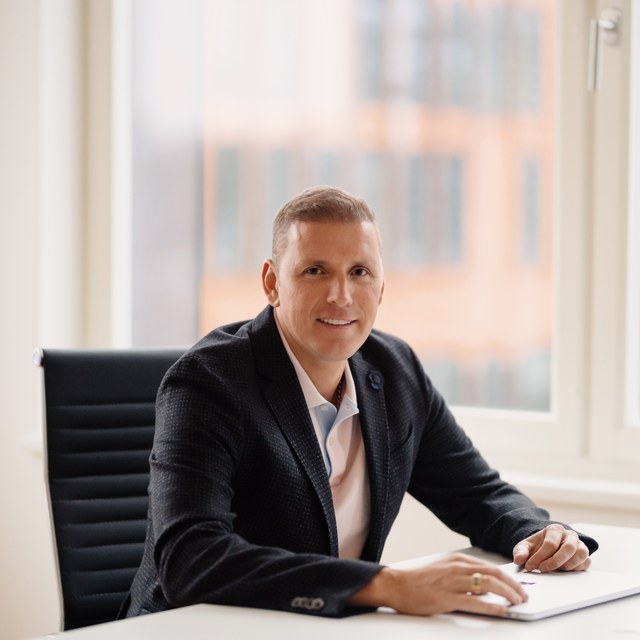
Mardo Soo, Founder & CEO of X24Consulting OÜ

Mardo Soo

Founder & CEO · X24Consulting OÜ

Mardo founded X24Consulting OÜ in Tallinn, Estonia to help international crypto founders navigate the maze of jurisdictional licensing. Over 8 years he has set up 200+ crypto, fintech, and financial-services entities across 15+ jurisdictions — Lithuania VASP/CASP, Panama, Canada MSB, Estonia VASP, Dubai VARA, Switzerland VQF, Cyprus CASP, BVI, Singapore PSA, El Salvador BSP and more.

He works directly with every client — no junior associates, no boilerplate. The first call is always with him.

Connect on LinkedIn →

Ready to set up your Switzerland crypto company?

30-minute strategy call to confirm Switzerland is the right fit. No obligation. We'll also tell you honestly if Lithuania, Canada, Panama, or another jurisdiction would suit you better.

mardo@consulting24.co · Powered by Consulting24 · Founder: Mardo Soo · X24Consulting OÜ (reg 16971898), Tallinn, Estonia